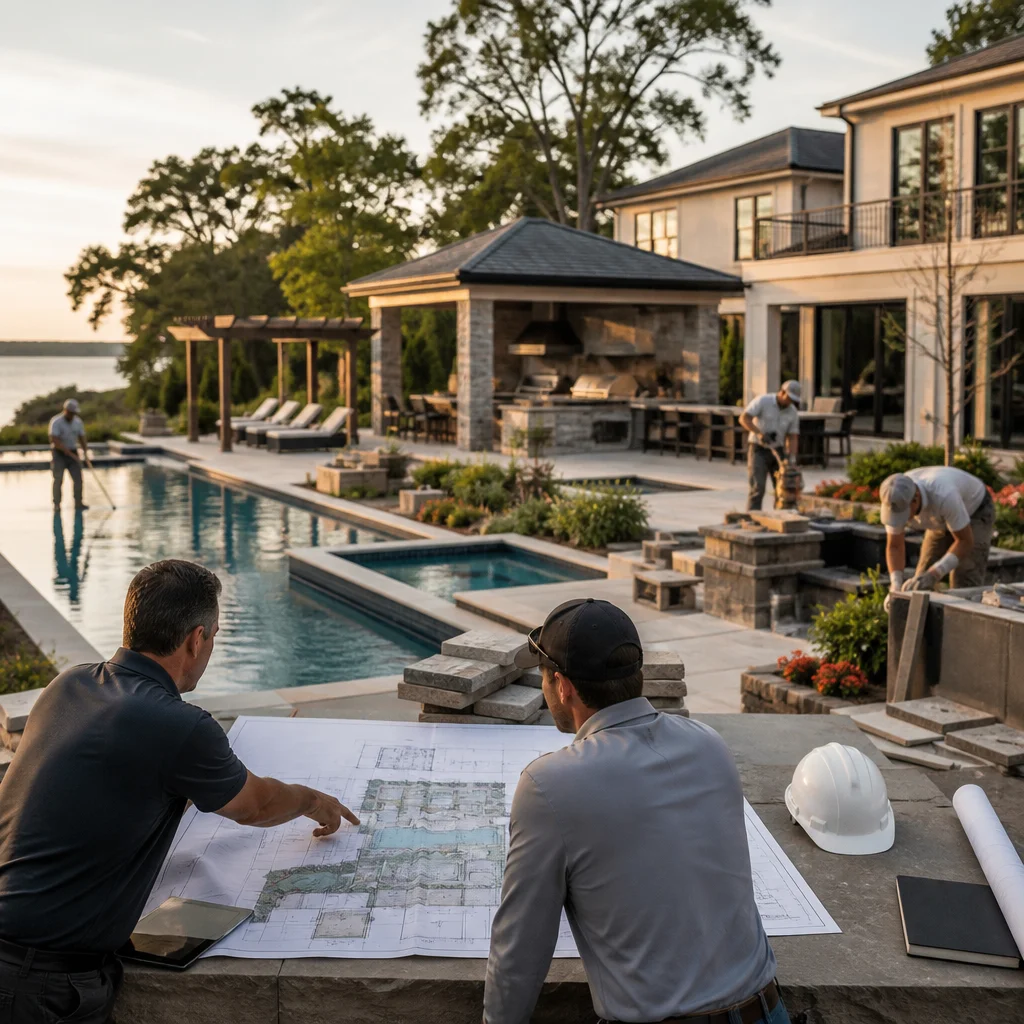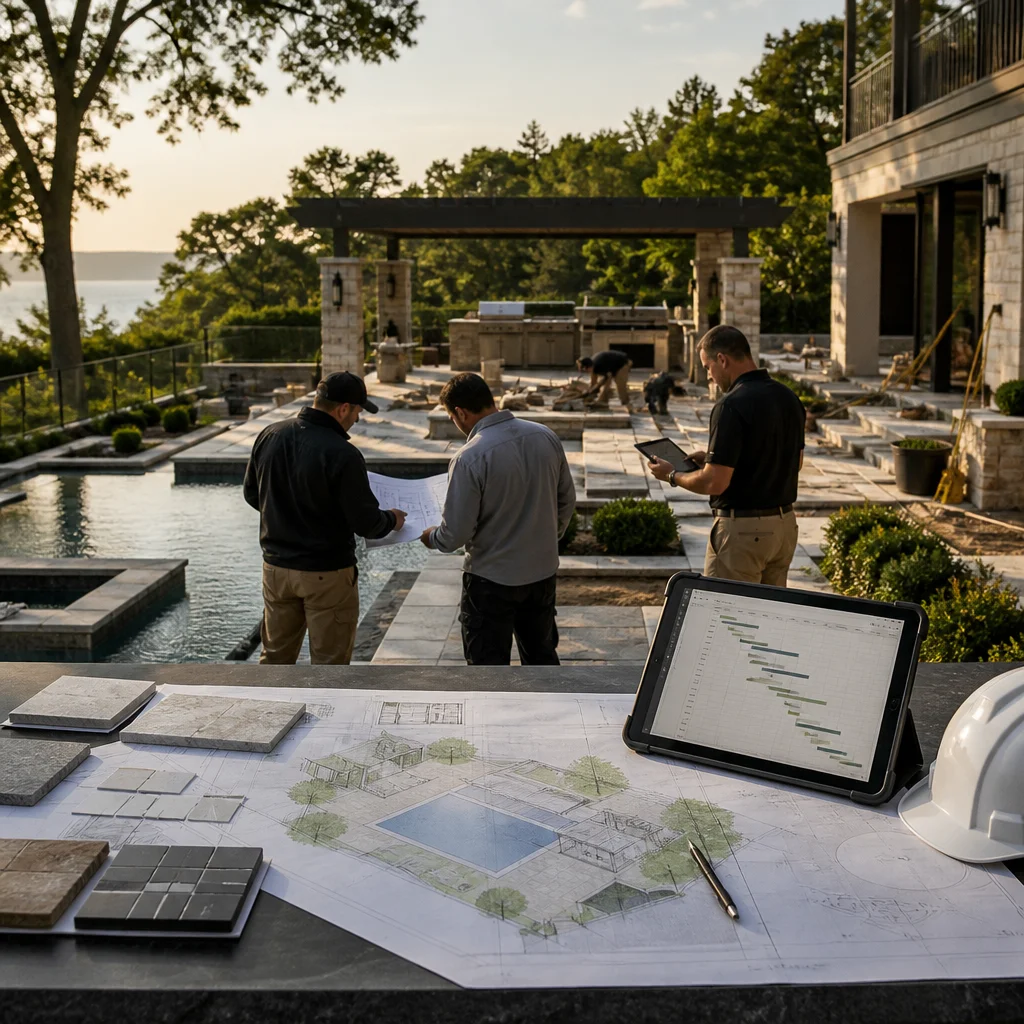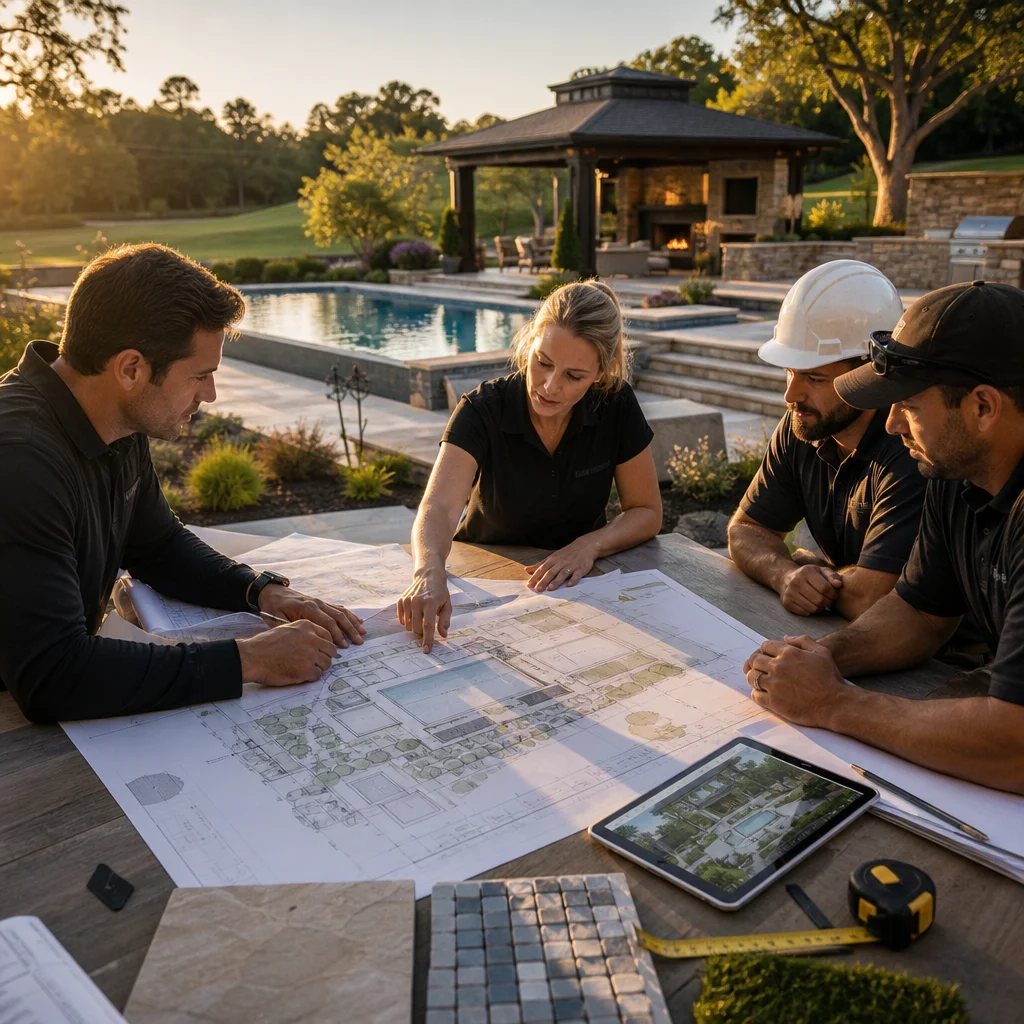
Why Complex Outdoor Projects Fail Without Proper Contractor Leadership
Building a luxury outdoor environment on a multi-acre estate is fundamentally different from a standard residential renovation. The scale alone demands specialized expertise in permitting, drainage management, structural integrity, and aesthetic cohesion across multiple systems. When homeowners on Long Island invest in transforming their properties, they’re committing significant capital to infrastructure that will define their lifestyle for decades. Getting the right estate contractor involved from day one makes the difference between a project that enhances property value and one that becomes a costly liability.
Most outdoor renovation failures stem from treating the project like a collection of separate tasks rather than an integrated system. A homeowner hires one crew for the pool, another for the landscape, and a third for the outdoor kitchen, only to discover that drainage patterns conflict, electrical runs weren’t coordinated, and grading slopes don’t work with the hardscape design.
We’ve seen estates where five-figure fixes became necessary because initial site assessment was incomplete. Ground settling after pool installation cracked nearby patio pavers. Irrigation lines were buried where underground utilities ran. The kitchen placement blocked sight lines from the main living area. Each decision cascades into the next, and without unified leadership from a knowledgeable estate contractor, problems multiply.
Complex outdoor infrastructure also involves regulatory compliance that many general builders underestimate. Long Island properties require coordination with Nassau and Suffolk county departments on drainage, setbacks, and potential wetland considerations. A contractor unfamiliar with local permitting can create delays that stretch projects from months into over a year. Your site assessment and permitting strategy need to happen simultaneously with design planning, not sequentially.
Action: Interview any potential contractor about their approach to pre-construction site analysis. Ask how they handle drainage mapping and utility location before the first shovel touches ground.
The Hidden Costs of Inexperienced Outdoor Infrastructure Management
Change orders appear when foundational planning was incomplete. A contractor discovers unforeseen soil conditions, misses a critical utility line, or underestimates labor once work begins. What should have been a $150,000 project becomes $185,000 through a series of “unexpected” items.
Inexperienced teams also struggle with timeline management on luxury projects. Weather delays, material lead times, and coordinate sequencing (pool shell must be installed before deck work, for example) require sophisticated scheduling. Without proper project management systems, crews stand idle waiting for materials or work on tasks out of sequence, adding weeks to your timeline.
Quality defects become apparent long after crews leave the property. Poor grading causes water pooling in unexpected areas. Hardscape materials weren’t sealed properly and begin deteriorating within a season. A masonry wall settles unevenly, creating visible gaps. These issues cost thousands to remediate and damage the overall aesthetic of your investment.
Hidden costs also appear in ongoing maintenance. An irrigation system designed without local water pressure data, soil conditions, and plant-specific needs will either over-water (wasting resources) or under-water (killing plants and landscaping). An outdoor kitchen installed without considering seasonal wind direction becomes unusable during evening entertaining.
Action: Request detailed specifications and a comprehensive scope of work before signing any contract. Clarify what happens if conditions differ from initial estimates.
What Sets a True Estate Contractor Apart from General Builders
An estate contractor brings specialized expertise across multiple disciplines. We understand structural engineering for outdoor spaces, drainage and grading science, masonry and stone installation standards, irrigation system design, and electrical integration for outdoor lighting and appliances. General builders excel at homes but often treat outdoor work as secondary to interior construction.
True estate contractors invest in continuous training and maintain relationships with specialized suppliers. We source premium materials that match luxury residential standards and understand how different stones, pavers, and finishes perform in Long Island’s climate. We know that certain materials thrive in coastal conditions while others degrade quickly.
Project management sophistication distinguishes estate contractors from general builders. We use integrated software systems to track materials, labor, schedule dependencies, and client approvals. Communication protocols ensure you receive regular updates and have clear decision pathways when choices need to be made. We maintain detailed documentation throughout the project for warranty purposes and future reference.
An estate contractor also carries appropriate licensing and insurance. We hold general contractor licenses, specialized licenses for certain trades (pool installation, electrical work), and comprehensive liability insurance. We maintain bonding that protects you if something goes wrong or a crew is unable to complete work.
Action: Verify a contractor’s licenses through the New York Department of State. Confirm they carry general liability insurance of at least $2 million and workers’ compensation coverage.
Our Full-Service Approach to Managing Complex Outdoor Infrastructure
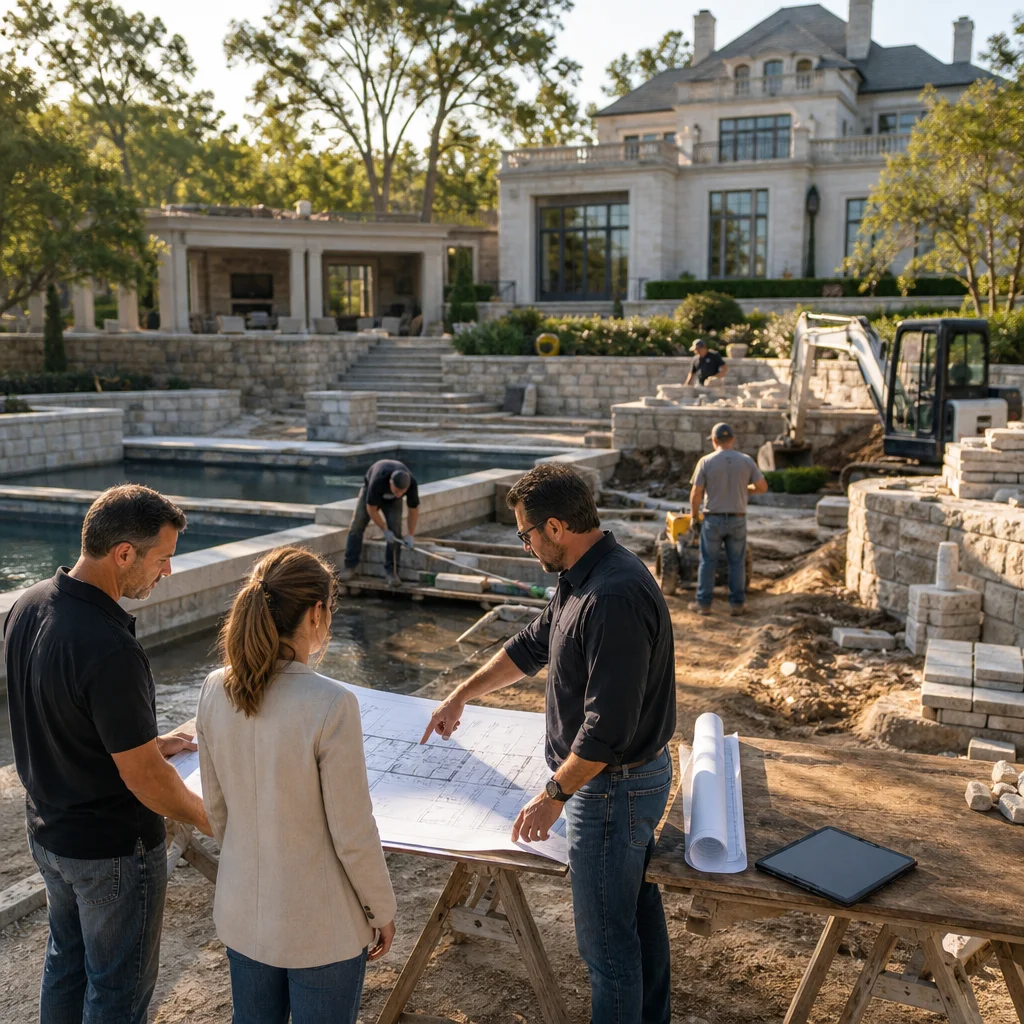
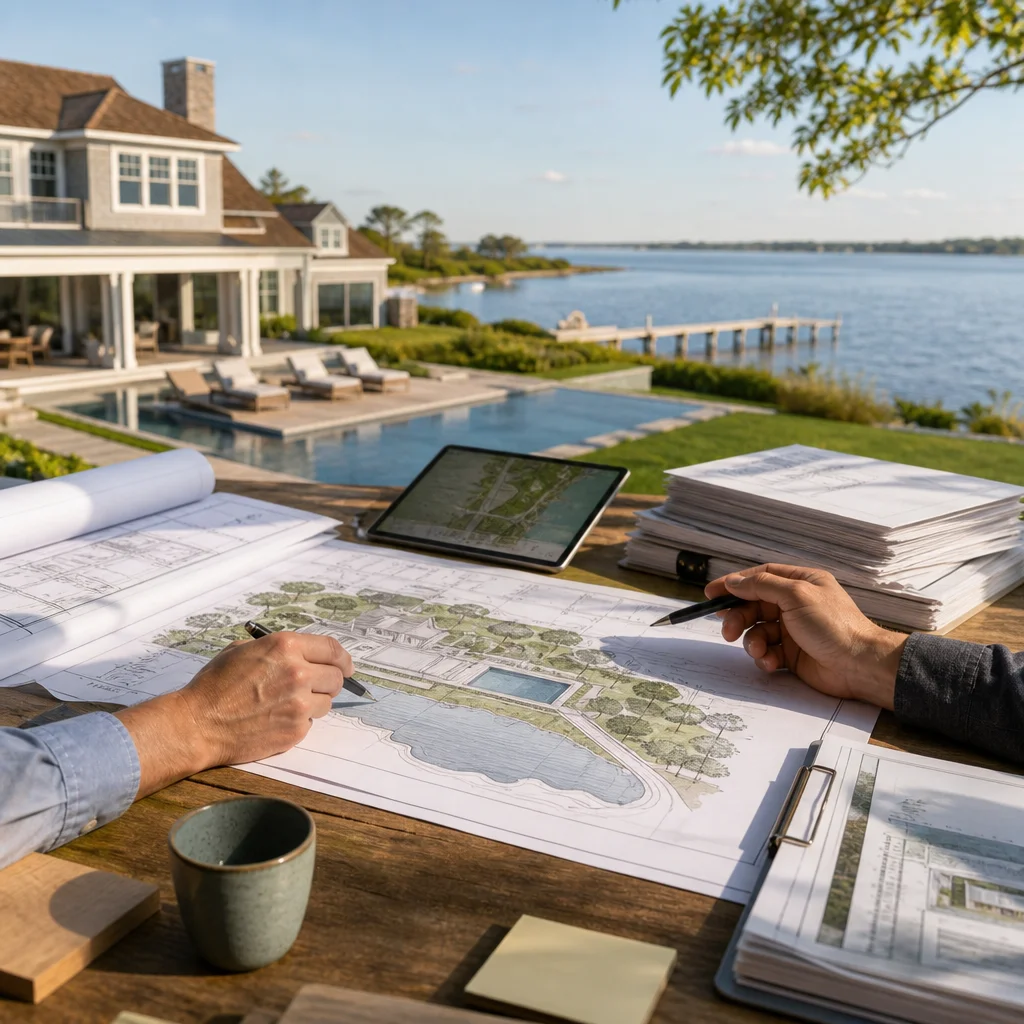
We manage every aspect of your outdoor transformation as a unified project. From initial site assessment through final landscaping, one leadership team coordinates design, construction, and quality standards. This approach eliminates the coordination gaps that plague multi-contractor projects.
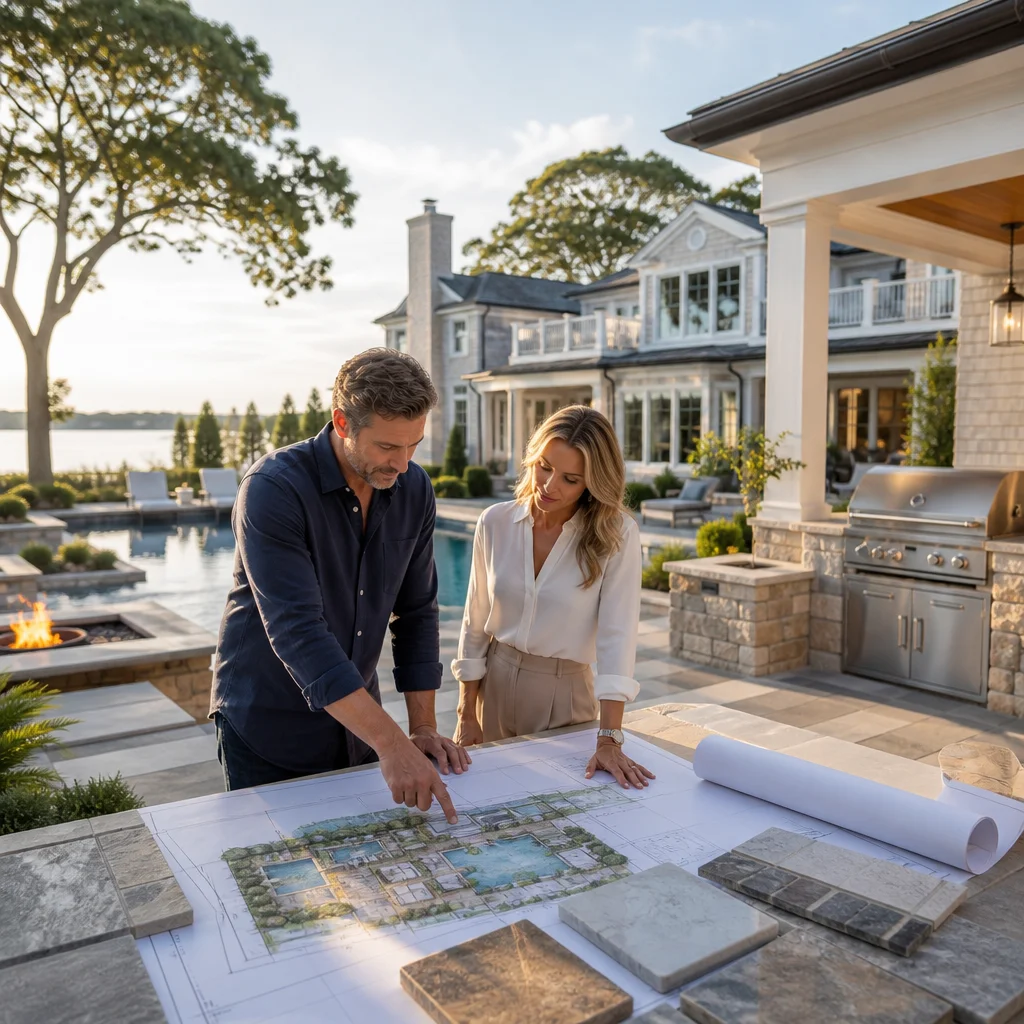
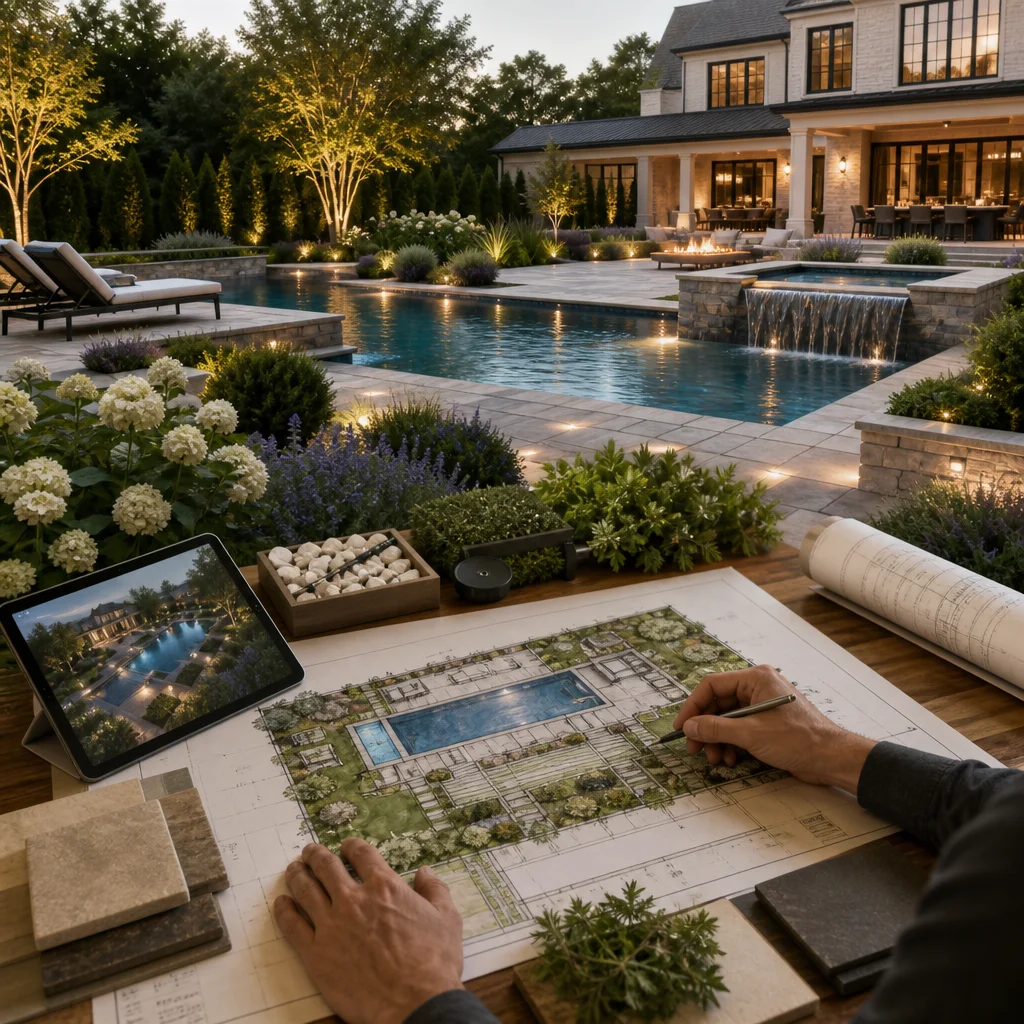
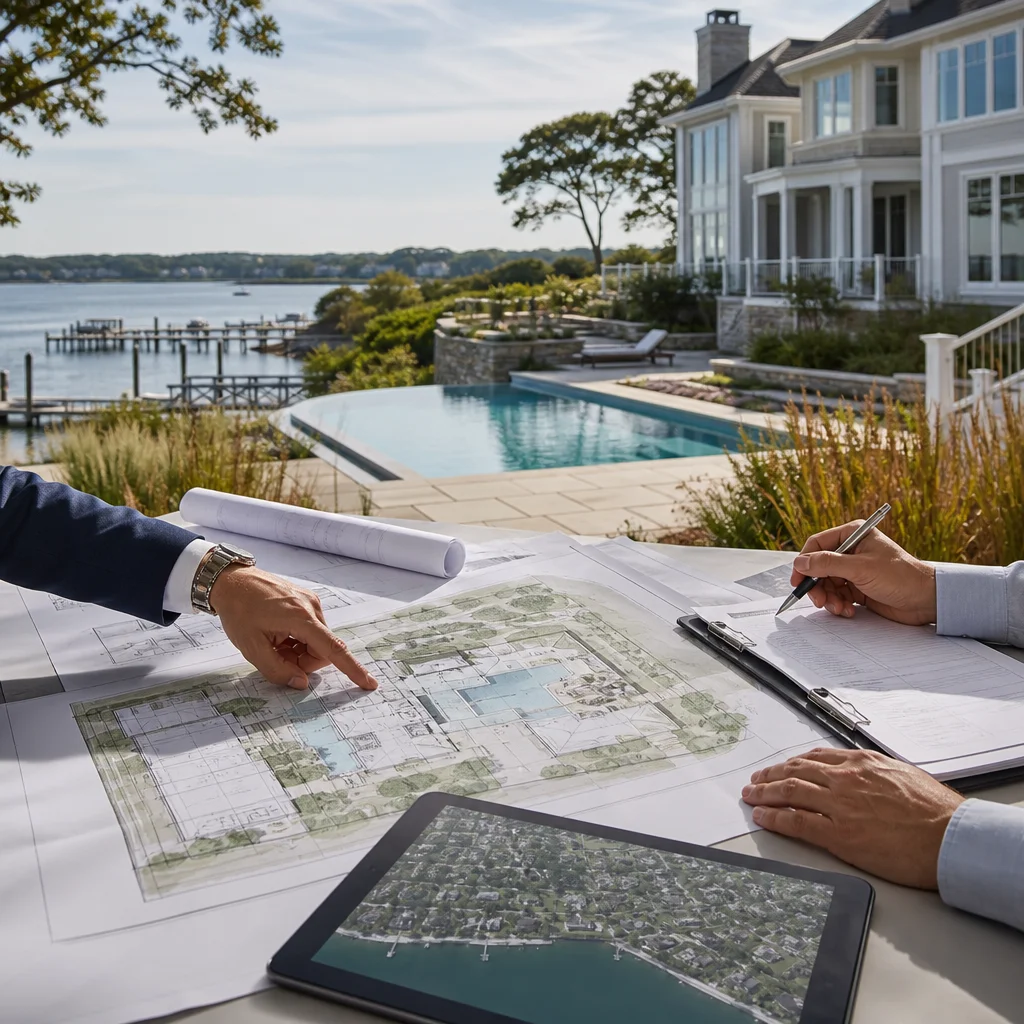
Our process begins with a comprehensive site evaluation. We evaluate existing drainage patterns, soil composition, sun exposure throughout the day and seasons, wind patterns, underground utilities, and your lifestyle needs. This discovery phase informs every subsequent decision and prevents costly revisions later.
Design development happens with full construction expertise embedded. Our designers understand what’s feasible to build, how materials perform, and what local permitting requires. This prevents the common situation where a homeowner receives a beautiful design that proves either impossible to construct or prohibitively expensive to install.
We then manage all permitting, material procurement, crew scheduling, and quality inspections. You have one primary contact and one unified team accountable for your project timeline and budget.
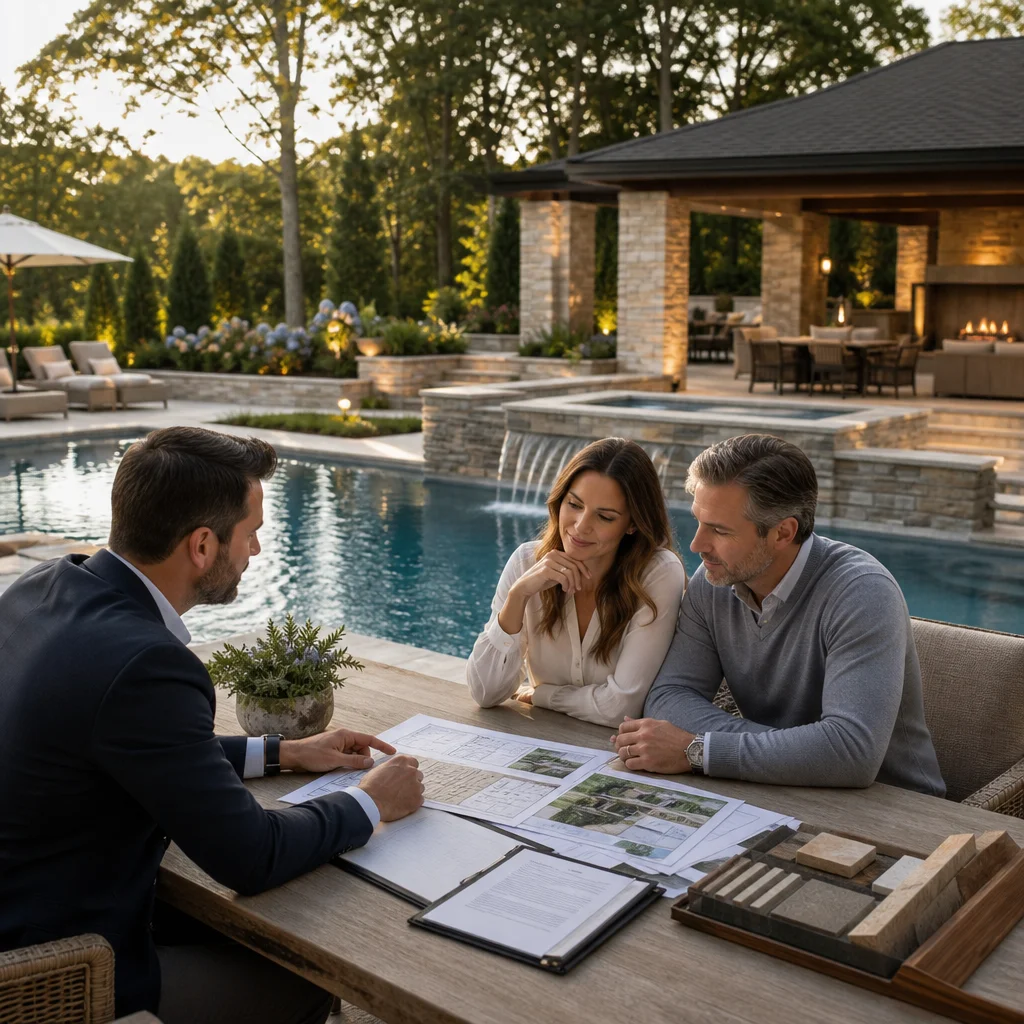
Action: Schedule an initial consultation to discuss your vision and site challenges. We’ll provide a clear roadmap for your project and timeline expectations.
Design Integration with Construction Excellence
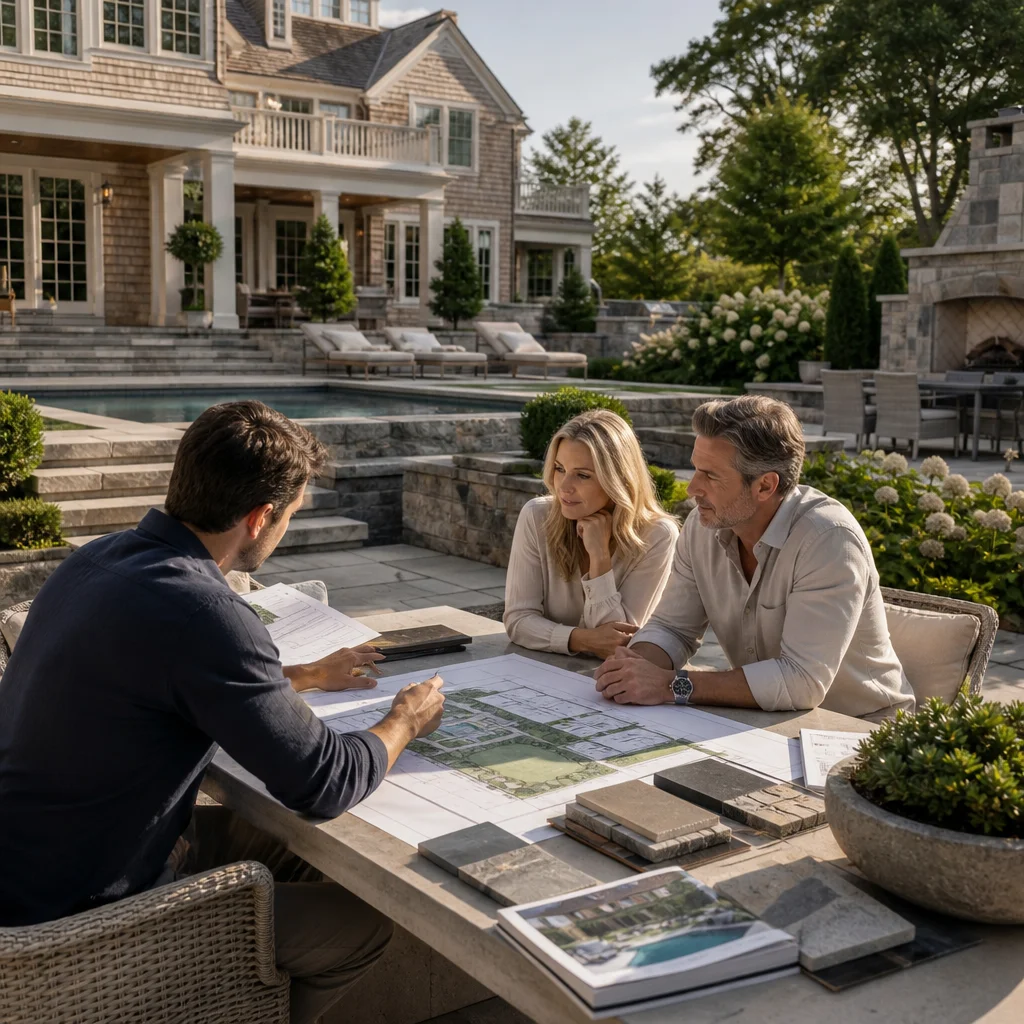
When design and construction happen separately, compromises are inevitable. A beautiful design may require expensive structural solutions. A cost-conscious contractor may suggest design changes that diminish the original vision. When we design and build, we optimize for both aesthetics and constructability from the start.
Our design process incorporates your site’s natural strengths. We work with topography rather than against it, creating outdoor spaces that feel like natural extensions of your property rather than imposed features. Sightlines matter too. We design so that your outdoor kitchen connects visually to your primary entertaining area, and pool placement maximizes both privacy and your best views.
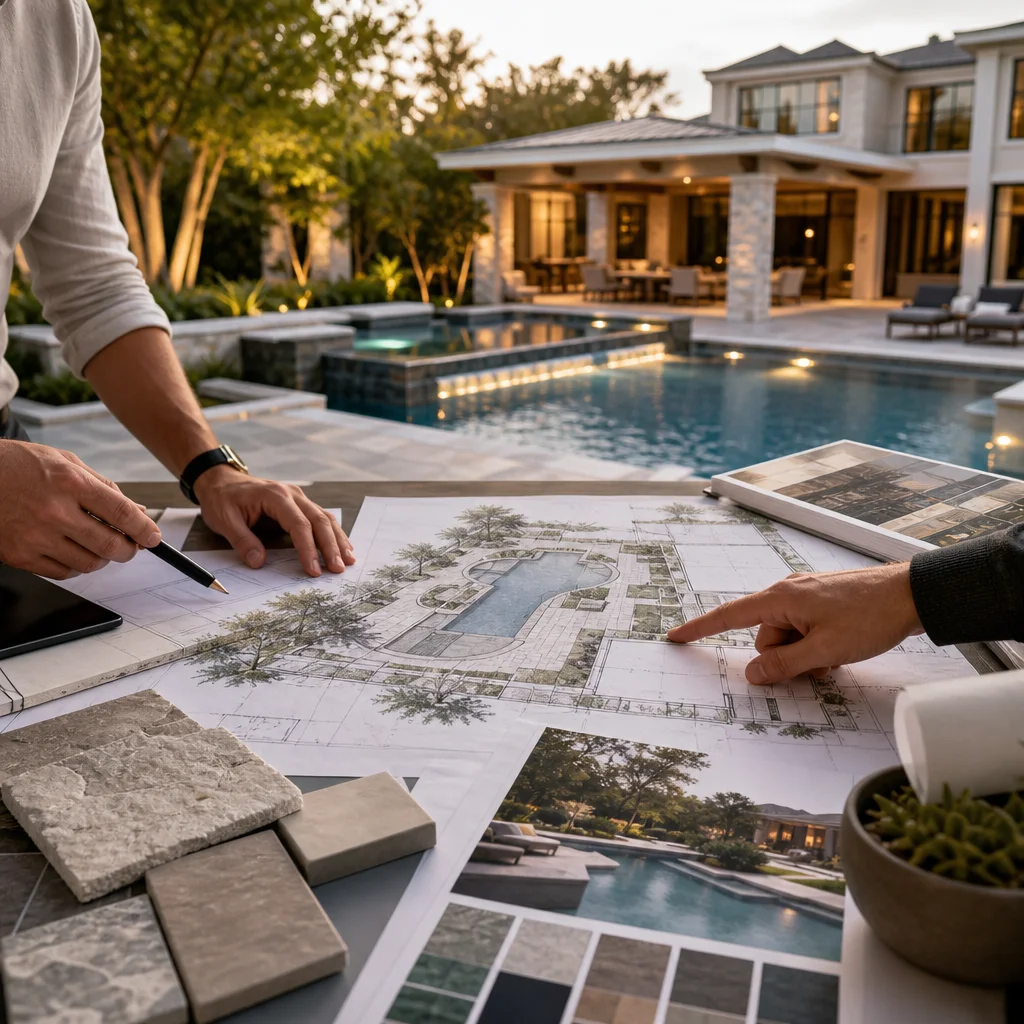
Material selection reflects both luxury standards and Long Island conditions. Certain stones withstand seasonal freeze-thaw cycles better than others. Some finishes hide weather wear better on coastal properties. We recommend materials that stay beautiful with reasonable maintenance and perform well for decades.
Construction execution then follows design intent precisely. Our crews understand the reasoning behind design decisions, not just the specifications. A subtle grade change that improves drainage and water movement toward planted areas gets executed with the same attention as the primary hardscape.
Action: During design consultation, explicitly ask your contractor how they’ll maintain design intent during construction and what communication happens if field conditions require adjustments.
Project Management Systems That Protect Your Investment
We use integrated project management systems that track every phase of your work. You receive regular status updates, photos documenting progress, and clear communication about upcoming decisions or approvals needed.
Budget control requires real-time tracking. We forecast spending against your budget, anticipate material costs before ordering, and flag potential overages with time to make decisions. This prevents surprises at project completion.
Schedule management on complex projects involves coordinating multiple crews and ensuring proper sequencing. Excavation and grading must happen before pool or hardscape installation. Utilities need to be run before final landscaping. Weather windows matter on Long Island. Our scheduling systems account for all these dependencies and keep work flowing efficiently.
Quality inspections happen continuously throughout the project, not as a final walkthrough. We inspect each trade’s work before the next phase begins, catching and correcting issues while remediation is simple and affordable. This protects both your investment and our reputation.
Action: Request a sample of the project reporting and communication cadence you’ll receive during construction.
Custom Solutions for Pools, Kitchens, and Living Spaces
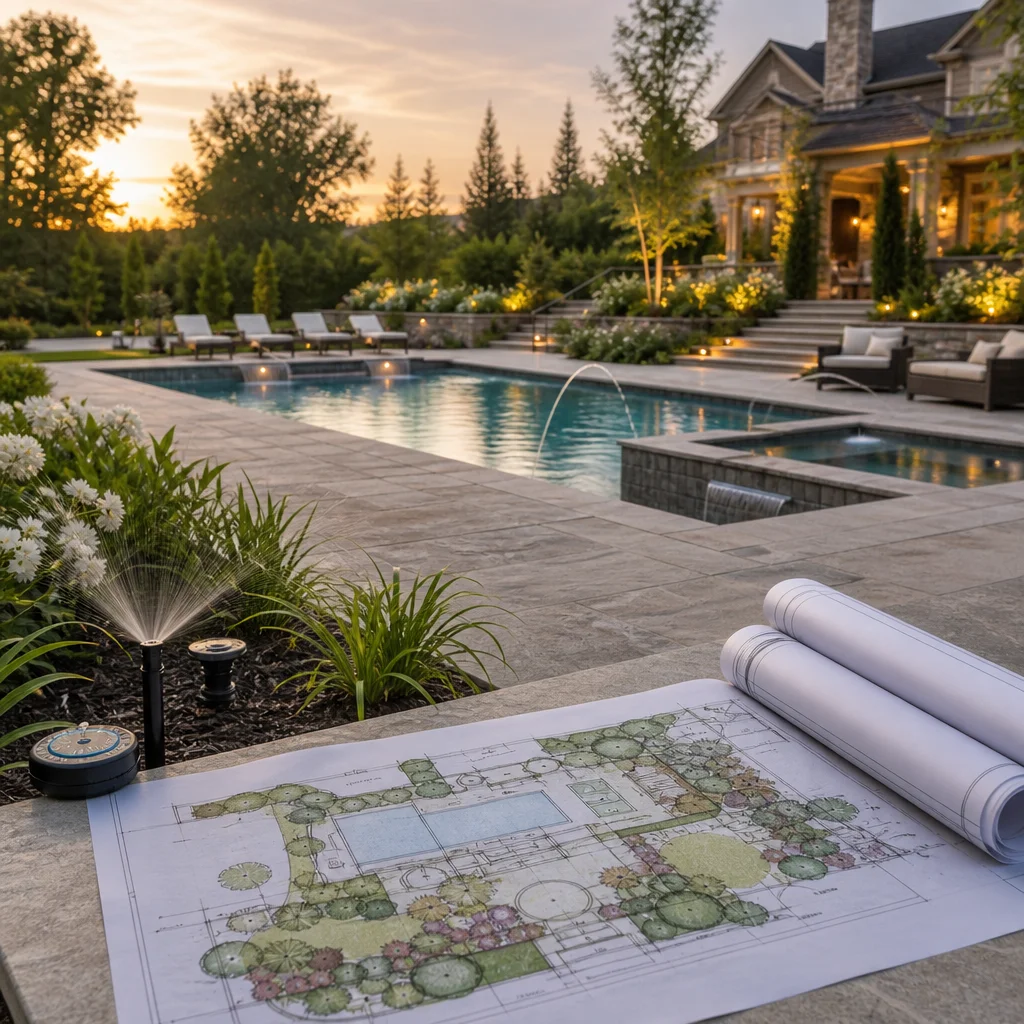
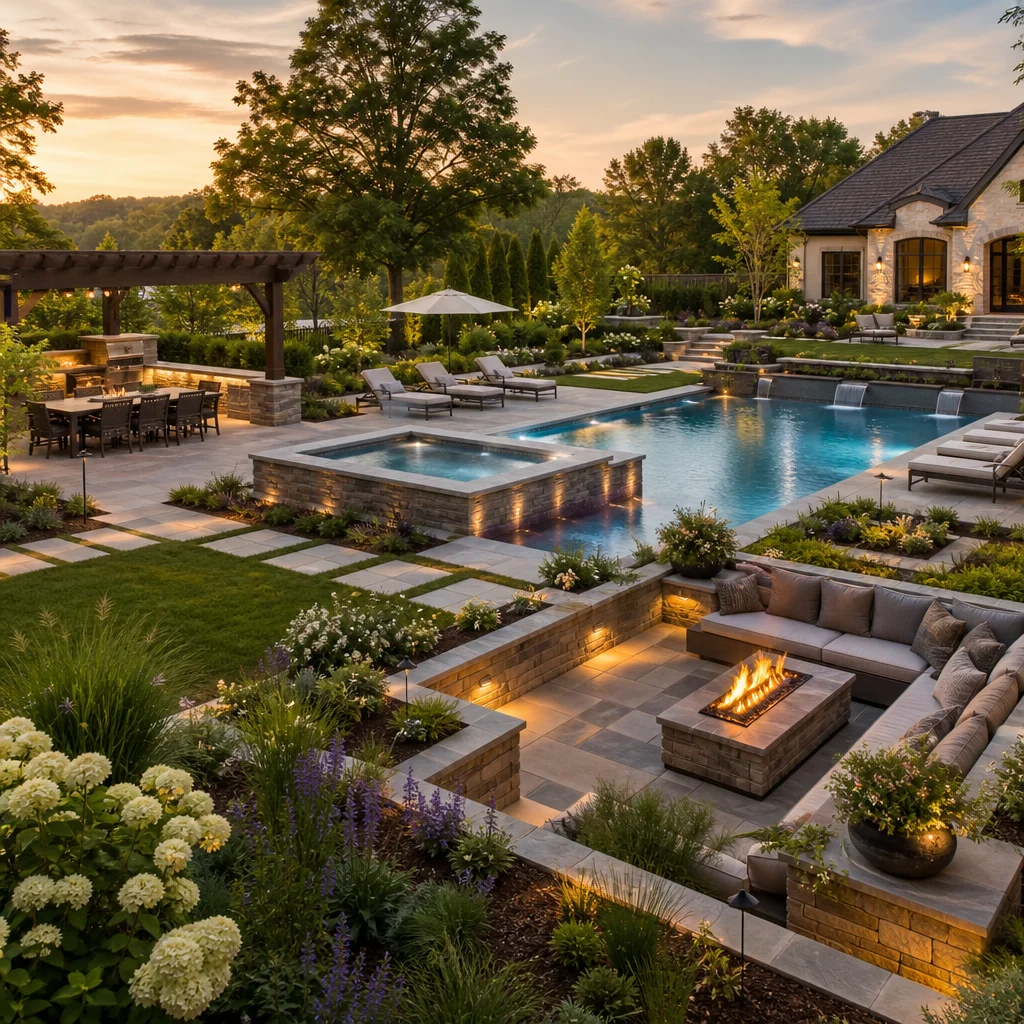
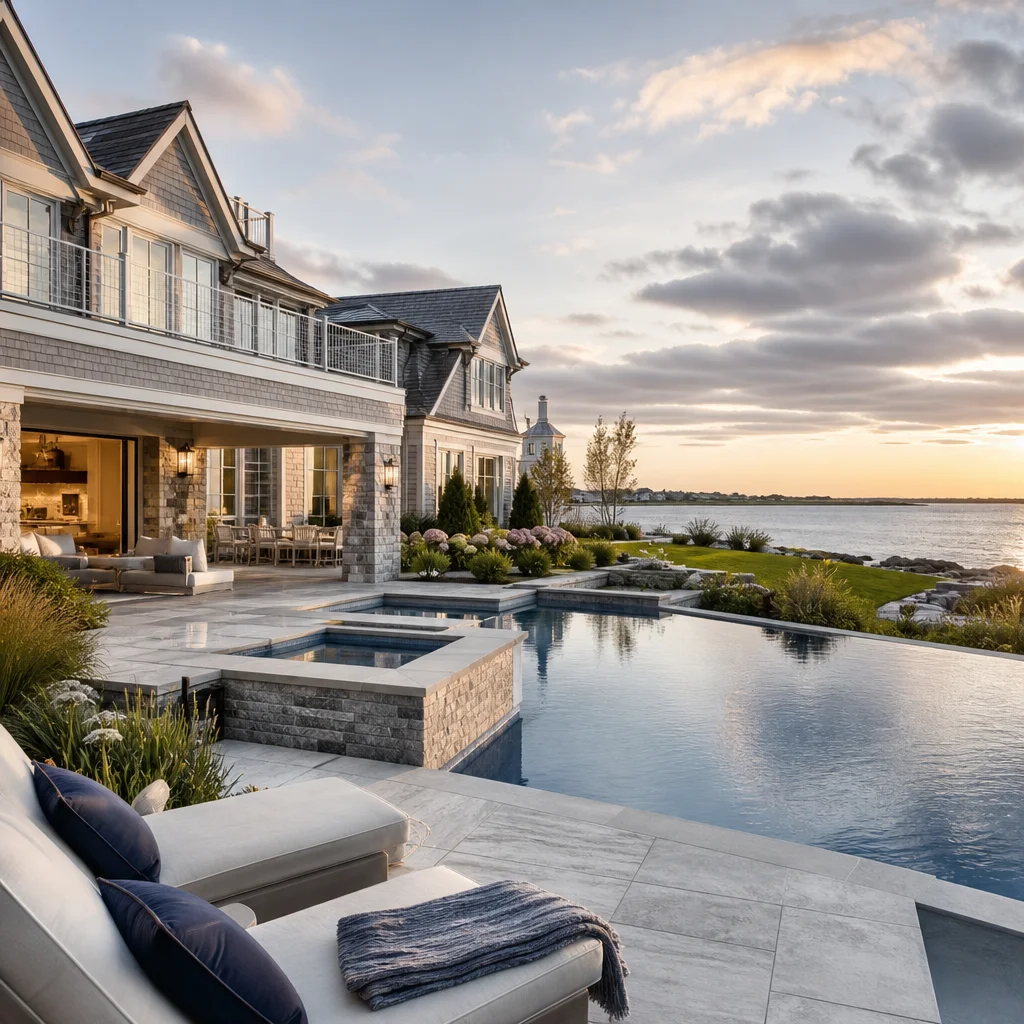
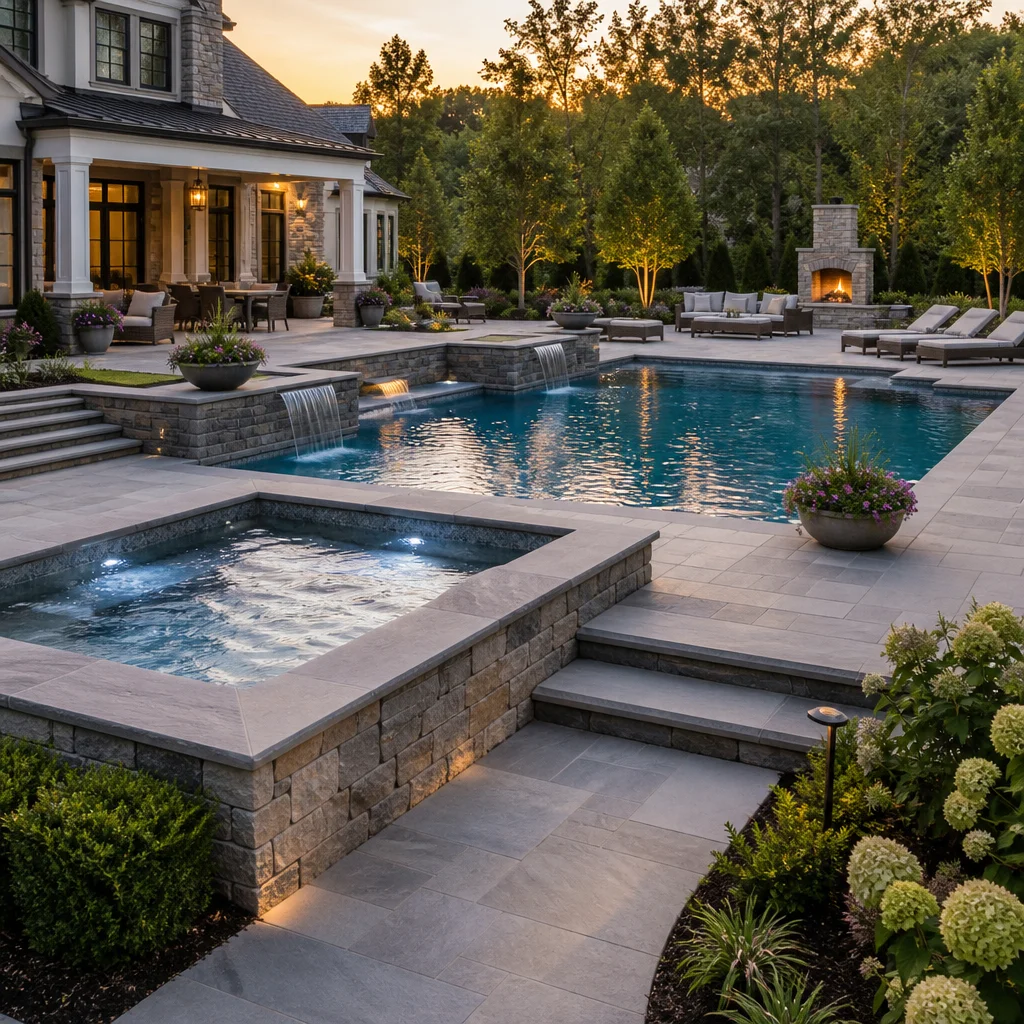
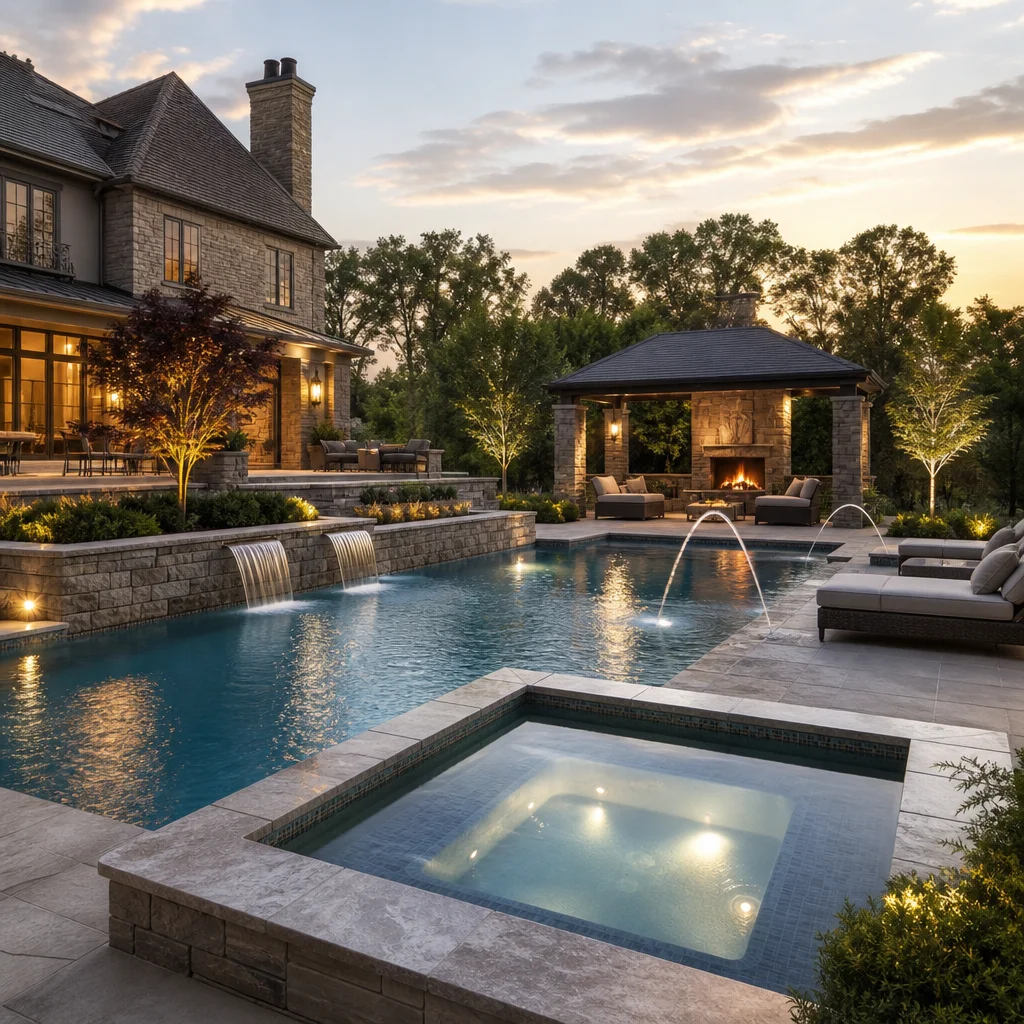
Luxury pools are more than water. We design pools integrated with your landscape, positioning them to maximize views while maintaining privacy from neighbors. We consider sun exposure (where do you want afternoon shade?), wind patterns, and how the pool connects functionally to changing areas and entertaining spaces.
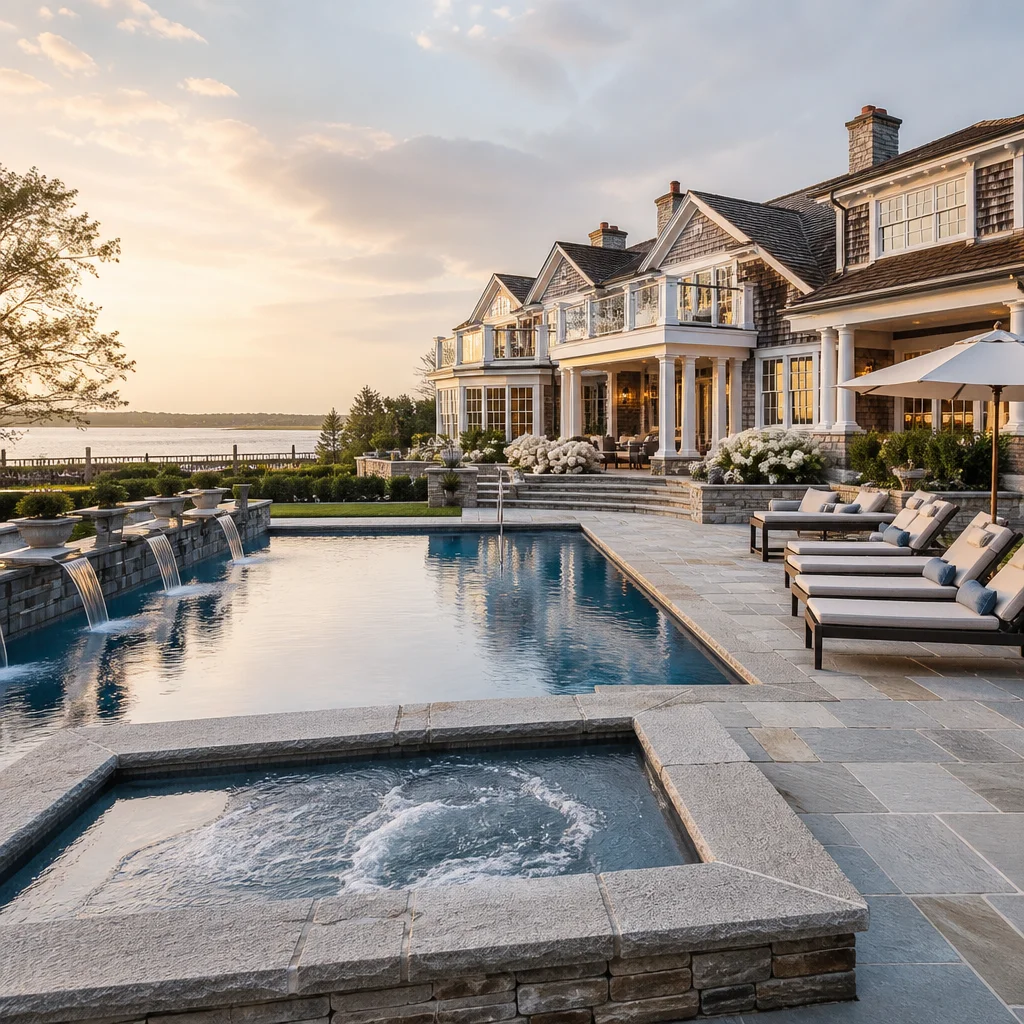
Our pool installations include spa integration, advanced filtration systems, and custom finishes that range from traditional plaster to premium surfaces. We design integrated lighting that transforms the pool experience at night. Safety features and code compliance are non-negotiable baseline requirements.
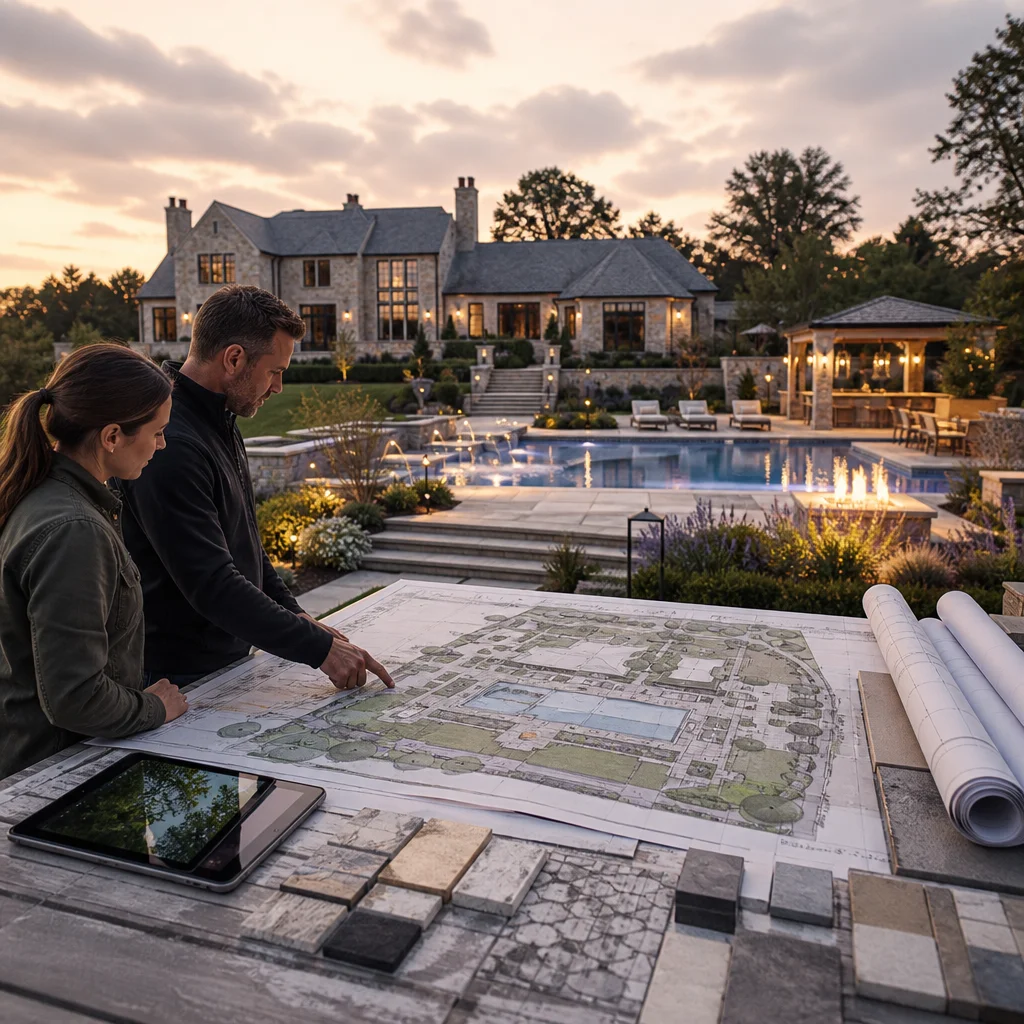
Outdoor kitchens deserve the same sophistication as interior kitchens. We integrate them into your entertaining flow, position them relative to prevailing winds, and ensure they have proper drainage, ventilation, and weatherproofing. We source high-performance appliances rated for outdoor use and design adequate counter space for food preparation and serving.
Living spaces might include pergolas, pavilions, or partially enclosed areas that extend your entertaining season. We design these for sight lines, ventilation, and structural integrity against wind loads and snow accumulation. Materials are selected for beauty and weather resistance.
Action: Bring reference images and lifestyle descriptions to your design consultation. Explain how you actually entertain and use outdoor space.
Masonry, Stone, and Hardscape Expertise on Luxury Estates
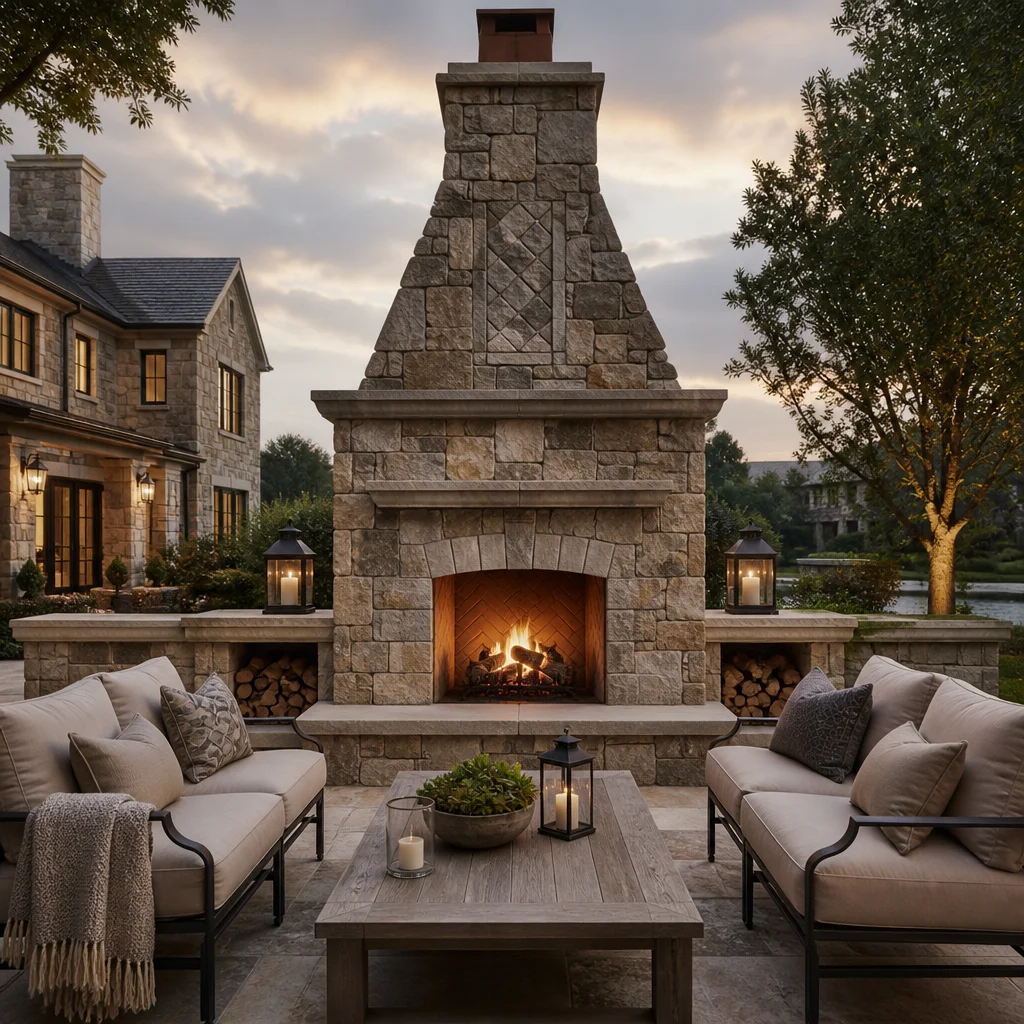
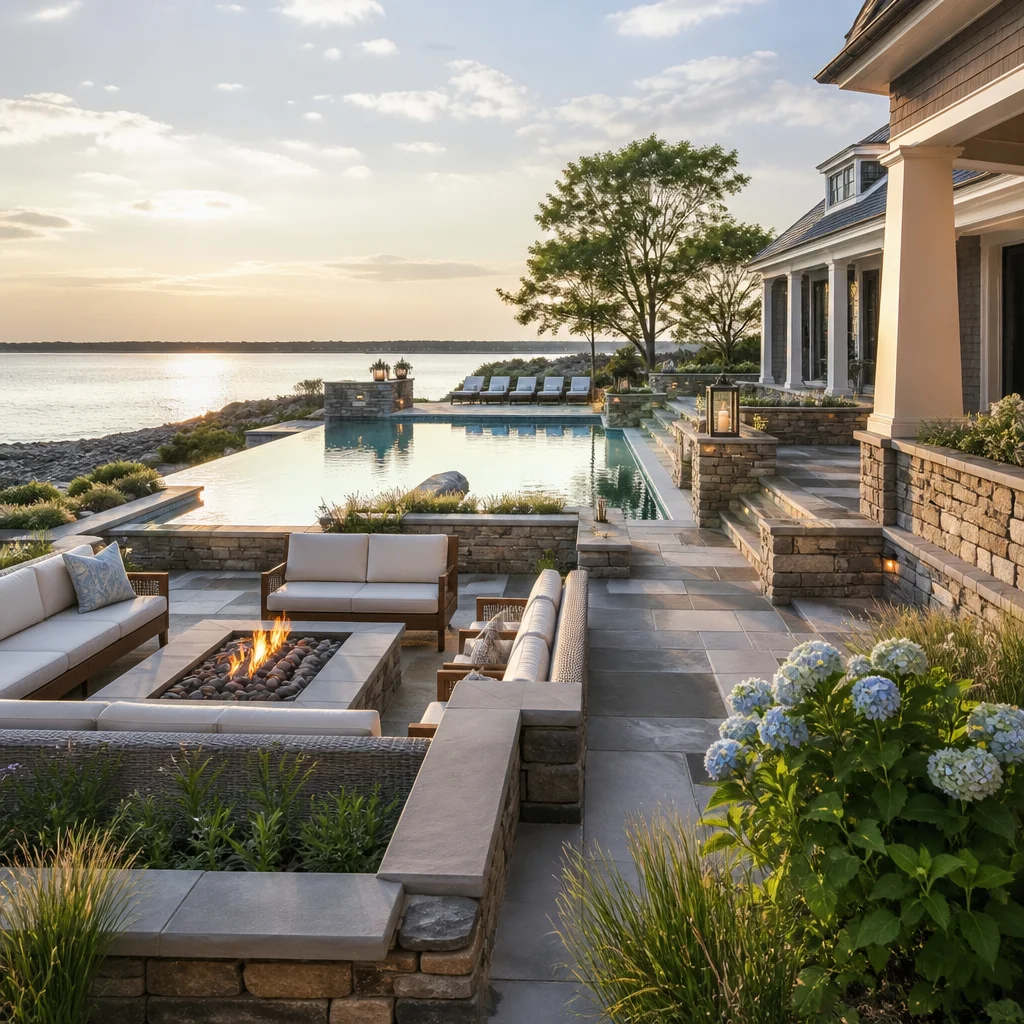
Masonry and stone work define the visual character of luxury estates. These materials are permanent, so quality installation and material selection matter enormously. A poorly laid patio becomes visible to every guest. A stone wall that settles unevenly becomes a constant irritant.
We source premium materials from verified suppliers and understand how different stones perform in Long Island’s climate. We know which stones resist salt spray on coastal properties, which granite and bluestone hold color through seasonal changes, and which materials are genuinely durable versus trending but short-lived choices.
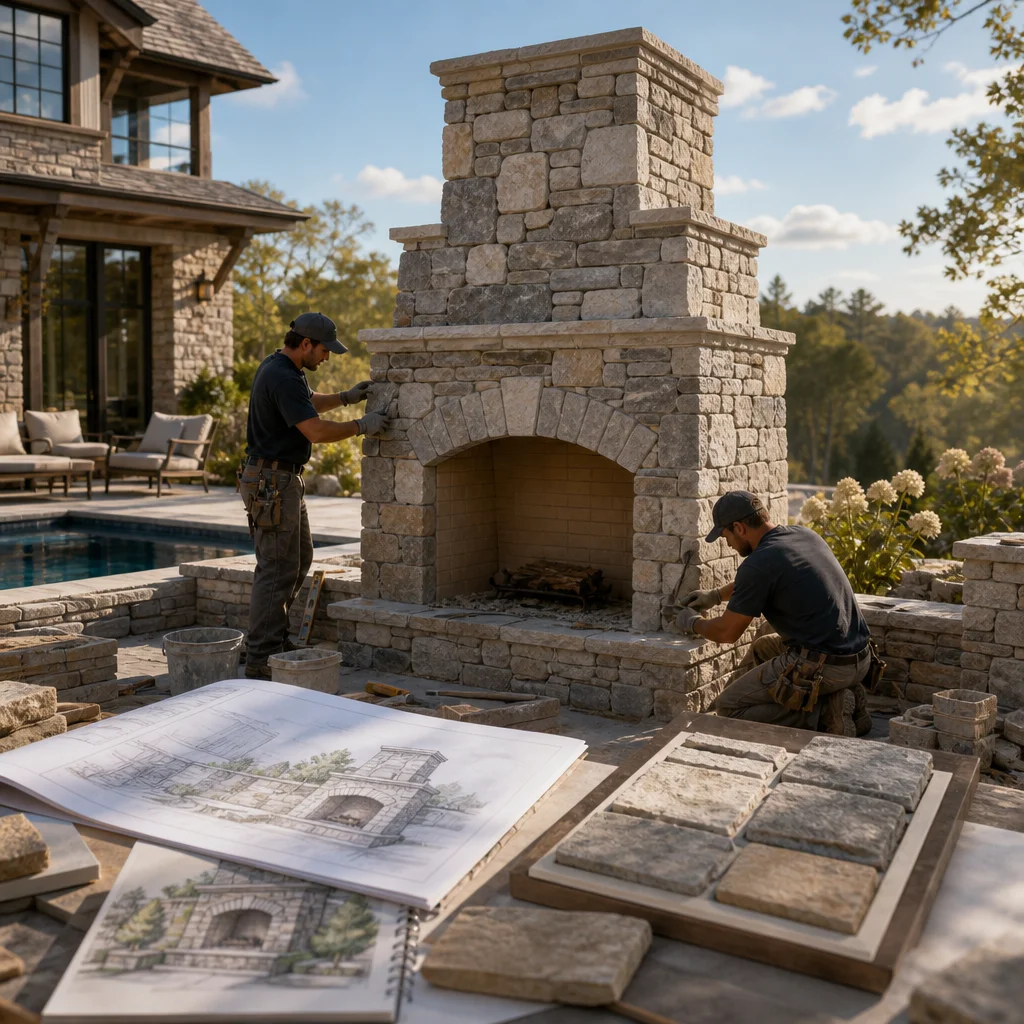
Installation methods matter as much as materials. Proper base preparation, drainage considerations, and installation techniques determine whether your hardscape stays beautiful or develops issues within a few years. We follow industry standards and exceed them on luxury projects.
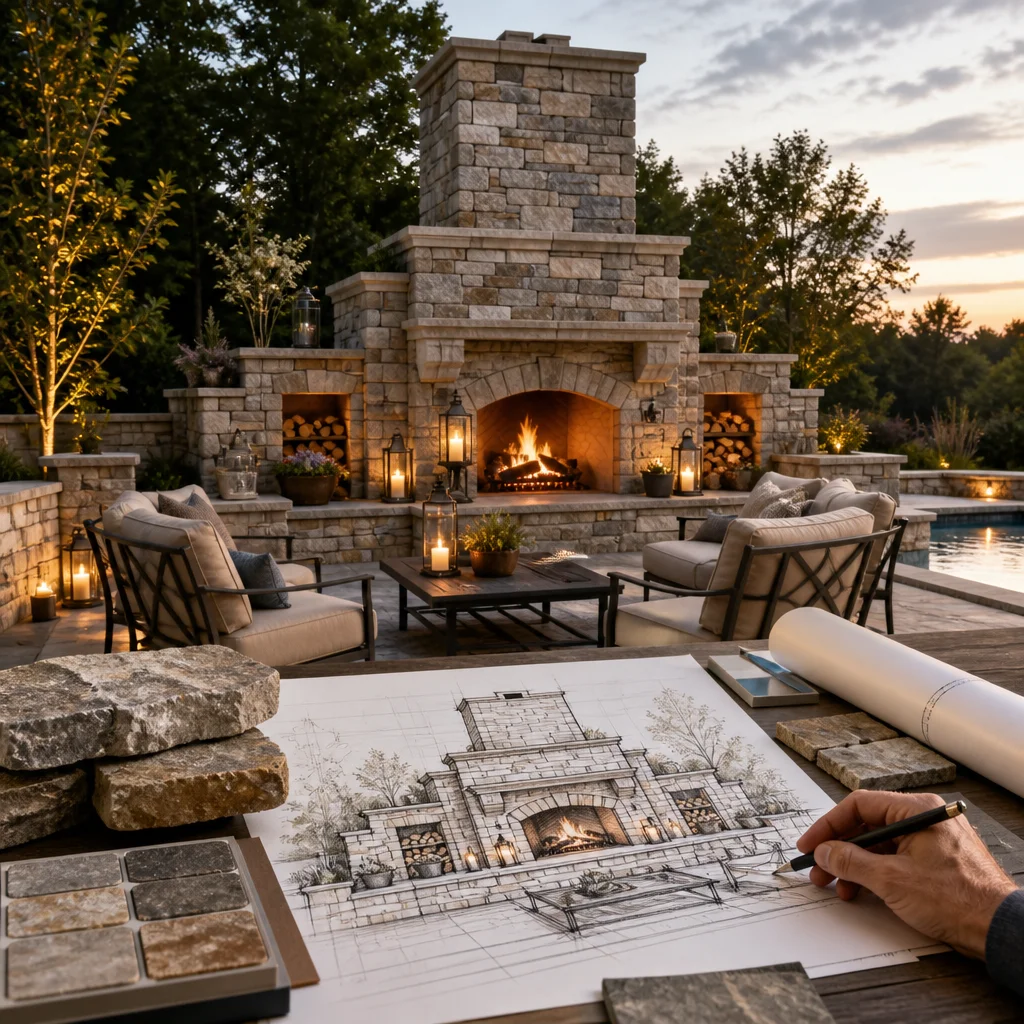
Custom stone work might include feature walls, decorative edging, or architectural elements that tie your outdoor spaces together visually. We integrate stone with other materials so transitions feel intentional rather than disconnected.
Action: Ask your contractor to show examples of hardscape and masonry work from at least five years ago. Observe how materials have held up to Long Island weather.
Irrigation and Landscape Infrastructure That Lasts
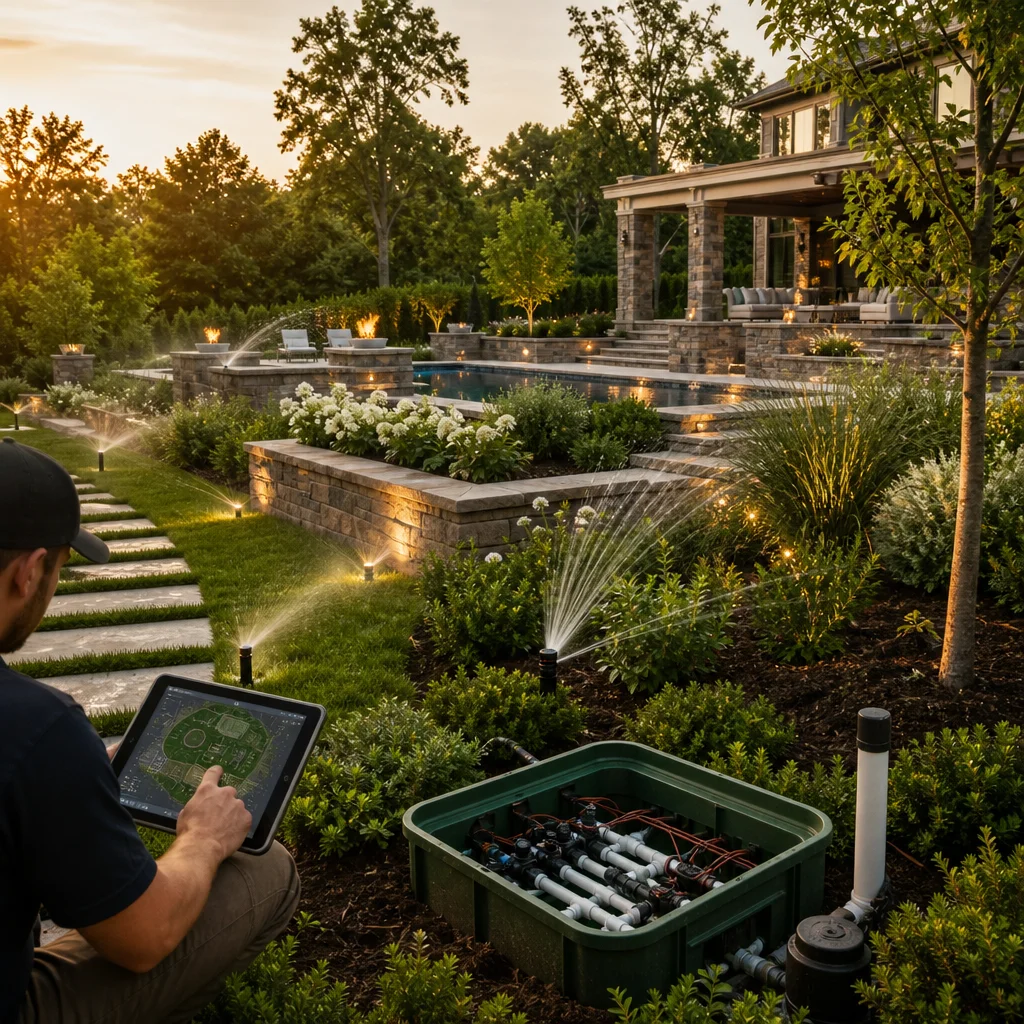
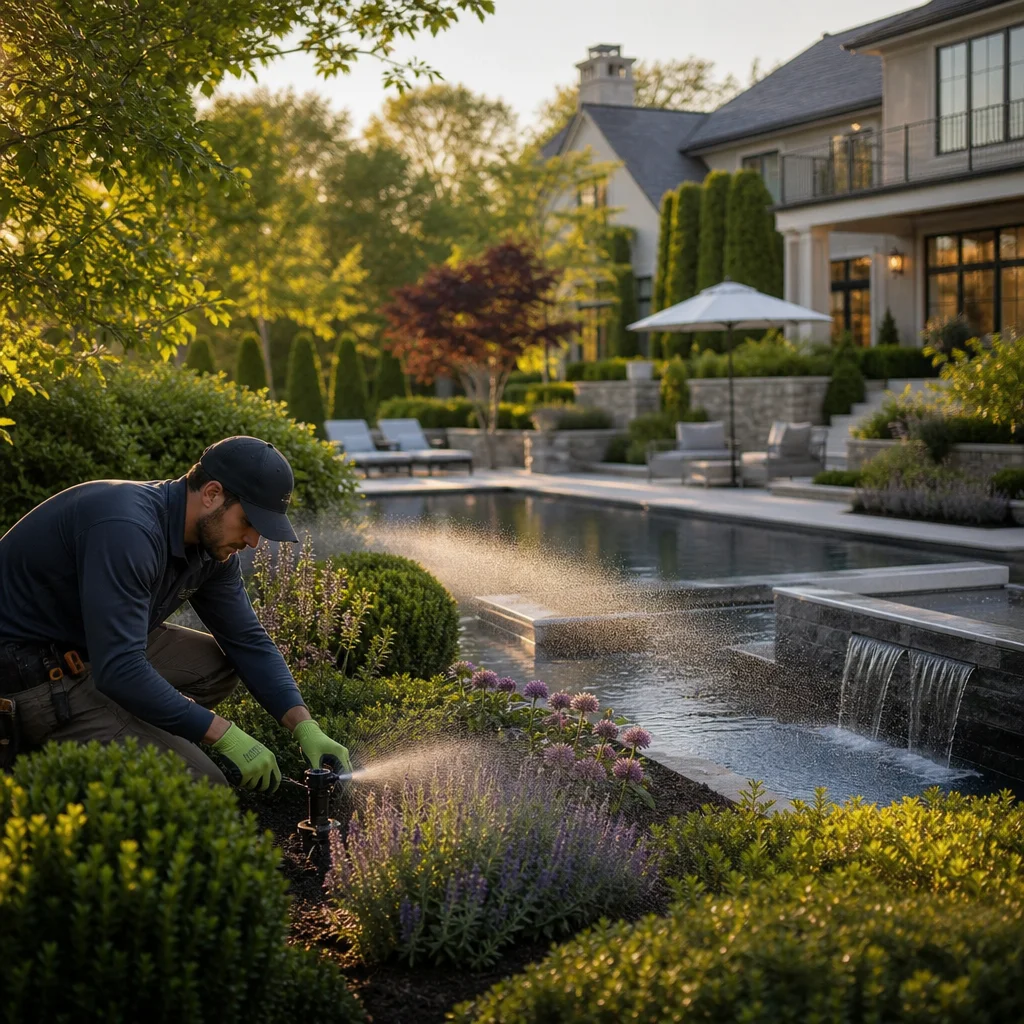
An irrigation system designed for your specific property outperforms generic solutions. We evaluate water pressure, soil type, drainage patterns, sun exposure for different planting areas, and your water use priorities. A well-designed system uses less water while keeping plants healthier.
Smart irrigation controllers adjust watering based on weather patterns, reducing waste during rainy periods. Zoning lets you water delicate plantings differently than established trees. Proper maintenance access and valve placement make future adjustments simple.
Landscape infrastructure includes proper grading and drainage that protects both your property and neighbors’. Standing water near foundations causes problems. Drainage patterns that direct water toward planted areas improve landscaping health. Proper slope away from structures is non-negotiable.
We select plants suited to your site conditions and maintenance preferences. A homeowner who prefers low-maintenance landscaping gets different species than someone who wants high-impact ornamental gardens. Both can look equally luxury, but the maintenance reality differs significantly.
Action: Have soil tests completed during site evaluation so your irrigation and landscaping design reflect actual site conditions.
Timeline Expectations and Transparent Project Delivery
Complex outdoor projects typically require four to eight months from permitting to completion, depending on scope. Pools and major structural work add time. Winter months move slower on Long Island due to weather and material availability.
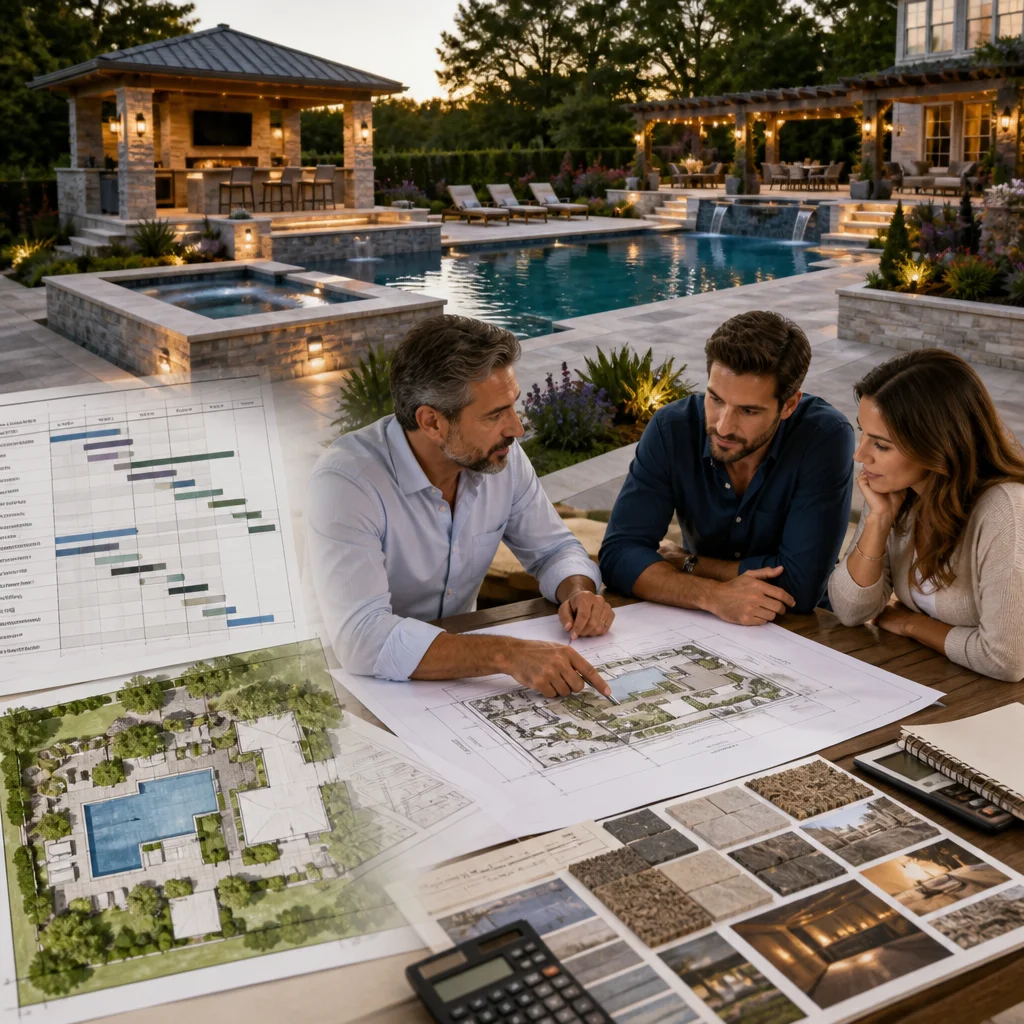
We provide detailed timelines that identify critical path items (tasks that delay the entire project if delayed) versus flexible items that can shift if needed. This helps you understand realistic expectations and what might cause delays.
Material lead times drive many timelines. Specialty pool finishes, high-end outdoor kitchen appliances, and certain stone materials may require eight to twelve-week lead times. Permitting typically requires four to eight weeks on Long Island. These durations inform our overall schedule.
Weather impacts timeline in ways homeowners don’t always anticipate. Excavation and grading become difficult in heavy rain. Concrete and masonry work slows in cold temperatures. Landscape planting has seasonal windows. Our schedules account for these realities rather than assuming ideal weather year-round.
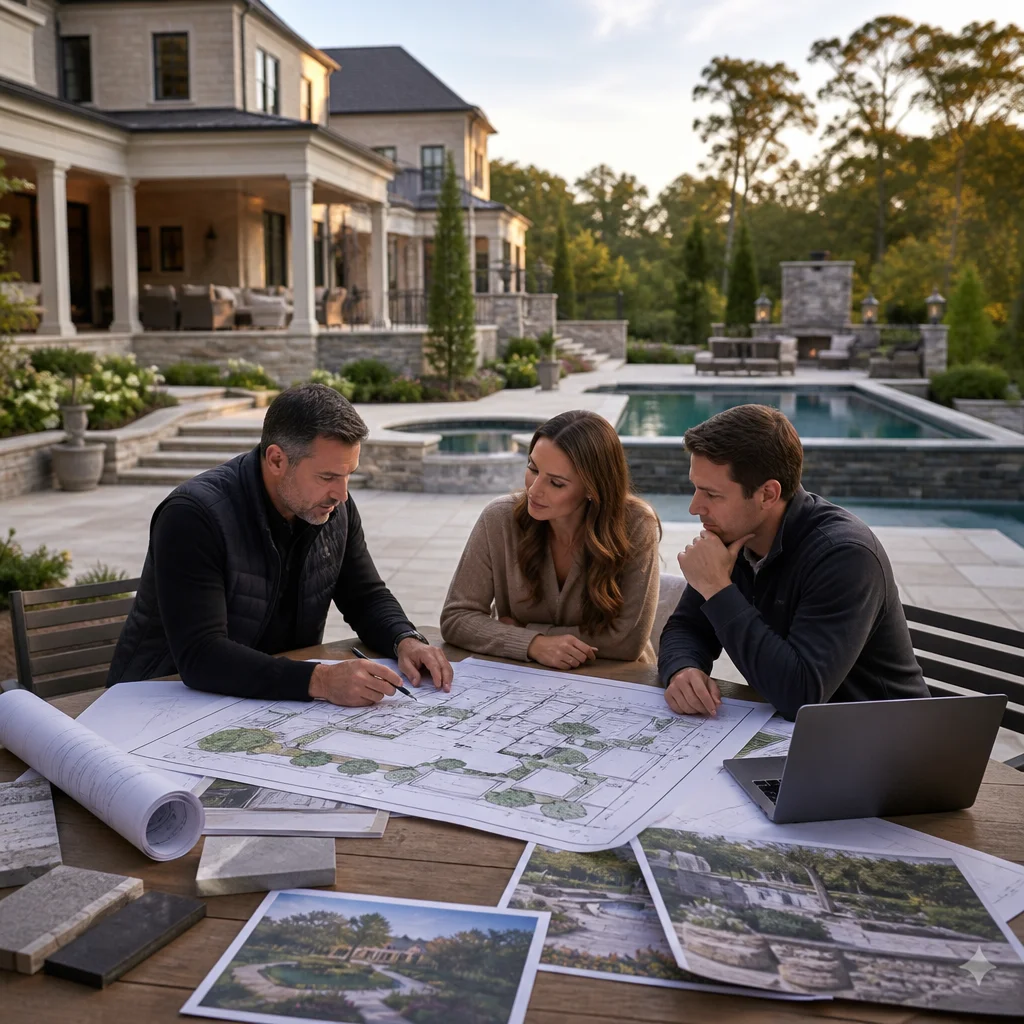
Action: Request a detailed timeline with key milestones and decision deadlines. Understand which delays are within contractor control and which depend on external factors like permitting agencies.
Why Nassau and Suffolk County Homeowners Trust Our Process
We work exclusively in Nassau and Suffolk counties, giving us intimate knowledge of local conditions, permitting processes, and supplier relationships that serve our region well. We’re not a large national firm managing dozens of simultaneous projects. We focus on delivering excellence on every project we undertake.
Long Island’s soil conditions, climate patterns, and seasonal challenges are specific to our region. We understand how freeze-thaw cycles affect materials, how salt spray impacts coastal properties, and how our particular soil types require specific drainage and foundation approaches. This local expertise prevents costly mistakes.
Our homeowner relationships reflect commitment to long-term reputation. We know that excellent work on one estate becomes the referral pipeline for similar-caliber projects. We also know that property owners in our region talk with one another, so cutting corners on any project damages our reputation broadly.
We document every project comprehensively, providing you with as-built drawings, warranty information, maintenance guidelines, and contact information for any specialized systems. This documentation protects your investment for future resale and makes ongoing maintenance straightforward.
Action: Request references from at least three homeowners with similar project scope. Ask specifically about timeline accuracy, budget management, and post-project support.
Moving Forward With Your Estate Transformation
Transforming a luxury estate outdoors requires the right contractor managing the entire process as an integrated project. The difference between hiring separate specialists and hiring a comprehensive estate contractor shows up in coordinated design, schedule reliability, budget control, and the long-term performance of your investment.
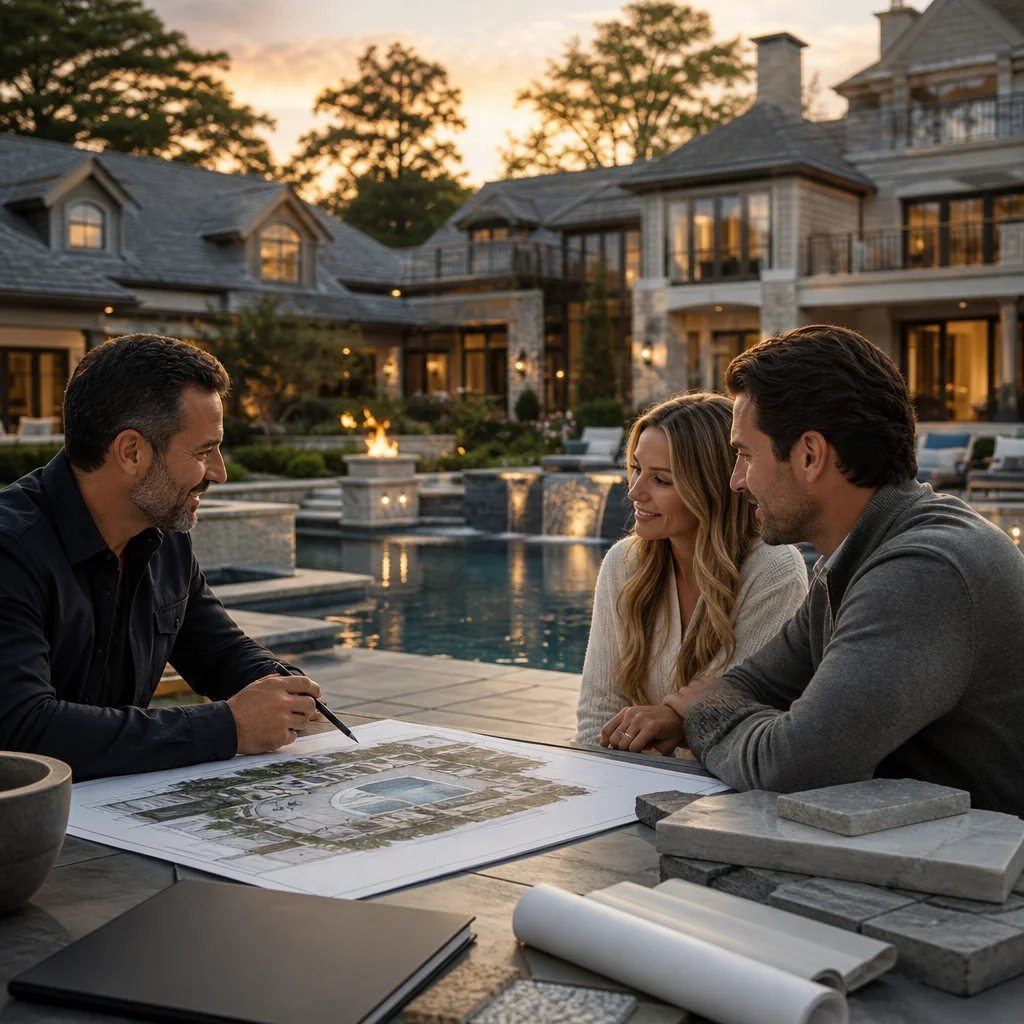
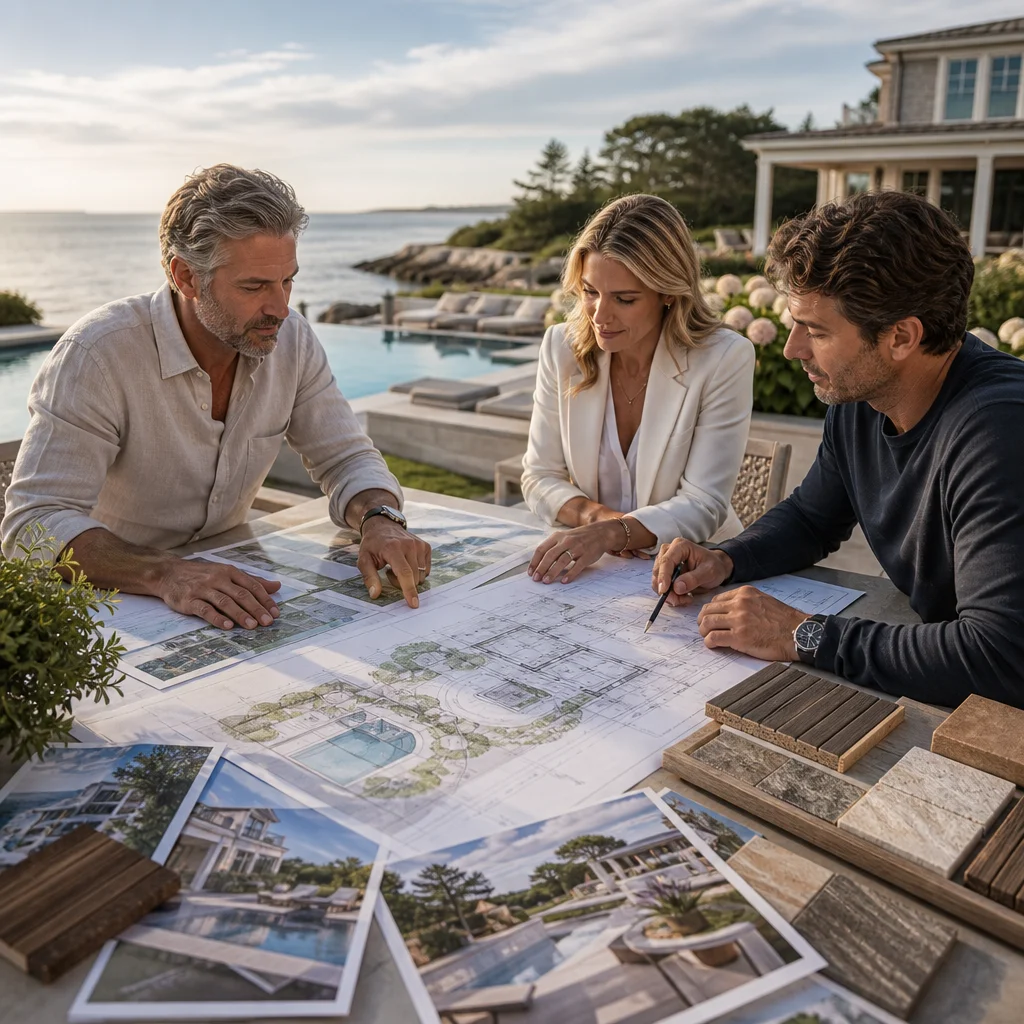
Your next step is a detailed conversation about your vision and site conditions. We’ll assess your property, understand your lifestyle needs, and provide a clear roadmap showing how we’d approach your specific project. This consultation costs nothing and commits you to nothing. It simply gives us a foundation for discussing whether we’re the right partner for your estate transformation.
We’re ready to discuss your outdoor vision whenever you are. Contact us to schedule an initial consultation.
For further reading: Portfolio of luxury outdoor projects.
Contact us today for a free estimate!
Frequently Asked Questions (FAQ)
What makes our approach different from hiring a general contractor for outdoor projects?
We specialize exclusively in luxury outdoor infrastructure, which means our team understands the complexities of integrating pools, spas, kitchens, irrigation systems, and hardscaping into cohesive, high-performing environments. Unlike general builders who manage outdoor work as one of many services, we employ dedicated project managers, master masons, and landscape engineers who work together from initial design through final delivery. Our expertise in coordinating these interconnected systems prevents the costly delays and quality issues that arise when contractors lack specialized experience.
How do we manage timelines for complex outdoor projects?
We establish realistic schedules upfront by breaking projects into clearly defined phases, with each milestone tied to specific deliverables and weather considerations. Our transparent project management system keeps you informed of progress, potential adjustments, and any factors that might affect completion dates. We’ve learned that luxury outdoor construction requires precision and flexibility, so we build contingency into timelines while maintaining accountability to the dates we commit to.
What’s included in your full-service design and construction process?
We handle everything from initial concept through final landscaping, including architectural design, permitting, construction management, and quality inspections at every stage. Our scope covers custom pools and spas, outdoor kitchens, masonry and stone work, hardscaping, irrigation systems, and comprehensive landscaping. By owning the entire process, we ensure that each component integrates properly with the others and aligns with your vision for your property.